School ERP System: What It Is and Why Every School Needs One
3rd September 2025
School ERP System: What It Is and Why Every School Needs One
In the fast-evolving landscape of education, schools are under increasing pressure to modernize operations, streamline communication, and enhance learning experiences. One of the most effective ways to achieve this transformation is by implementing a School ERP System.
But what exactly is a School ERP System, and why is it becoming a must-have for educational institutions of all sizes?
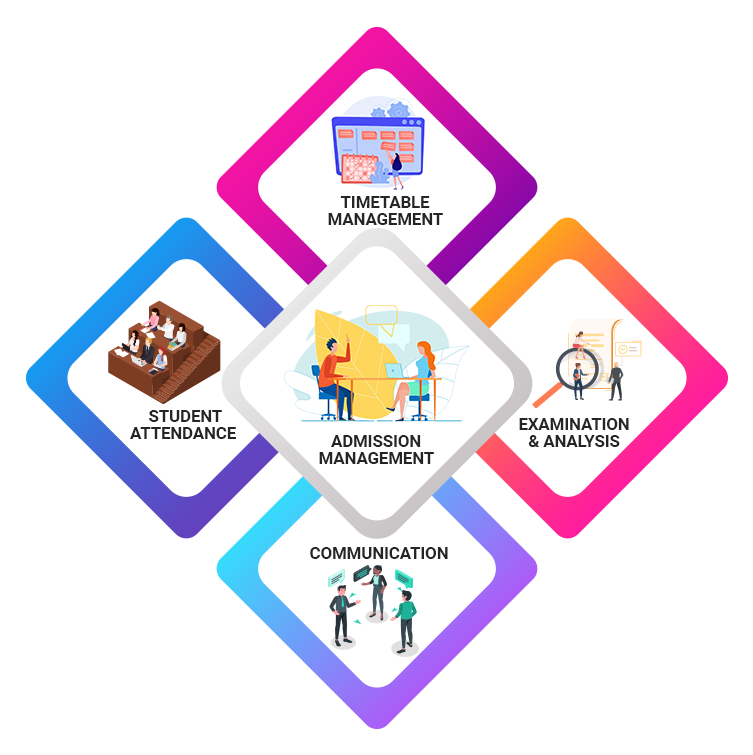
What Is a School ERP System?
A School ERP (Enterprise Resource Planning) System is a comprehensive software solution designed to automate and manage the day-to-day administrative and academic operations of a school. Think of it as a centralized platform that connects all departments administration, academics, finance, HR, transport, library, and more into one cohesive ecosystem.
It typically includes modules for:
Student Information Management
Attendance Tracking
Fee Management
Timetable Scheduling
Exam and Grade Management
Staff and Payroll Management
Parent-Teacher Communication
Transport and Library Tracking
Everything is integrated, accessible, and trackable in real-time.
Why Every School Needs a School ERP System
1. Streamlined Administration
Manual processes are not only time-consuming but also prone to errors. A School ERP automates routine tasks like admissions, fee collection, report generation, and payroll—freeing up staff time for more strategic work.
2. Improved Communication
With built-in communication tools (emails, SMS alerts, portals), schools can easily keep students, parents, and teachers in the loop. Notifications about events, exams, attendance, and assignments are just a click away.
3. Real-Time Access to Data
Whether it's a parent checking their child’s attendance, a teacher entering grades, or an admin viewing financial reports, a School ERP system allows authorized users to access data instantly—anytime, from anywhere.
4. Better Decision-Making
With centralized data and powerful analytics, school leaders can make informed decisions. Trends in student performance, fee collection status, or resource utilization can be visualized clearly and acted upon efficiently.
5. Enhanced Security and Compliance
Data stored in a School ERP system is often encrypted and backed up regularly. Role-based access ensures sensitive information is only available to authorized users, helping schools stay compliant with data privacy regulations.
6. Cost and Time Efficiency
While implementing ERP software may require an initial investment, the long-term savings in time, labor, and administrative overhead make it a cost-effective solution in the long run.
7. Support for Online Learning
Many modern ERP systems now integrate with online learning platforms or include their own Learning Management System (LMS), making it easier for schools to deliver hybrid or fully remote education when needed.
Conclusion: Future-Ready Schools Start with ERP
In a digital-first world, the question isn’t whether schools should adopt technology it’s how fast they can do it. A School ERP System not only enhances operational efficiency but also creates a more connected, transparent, and student-focused learning environment.